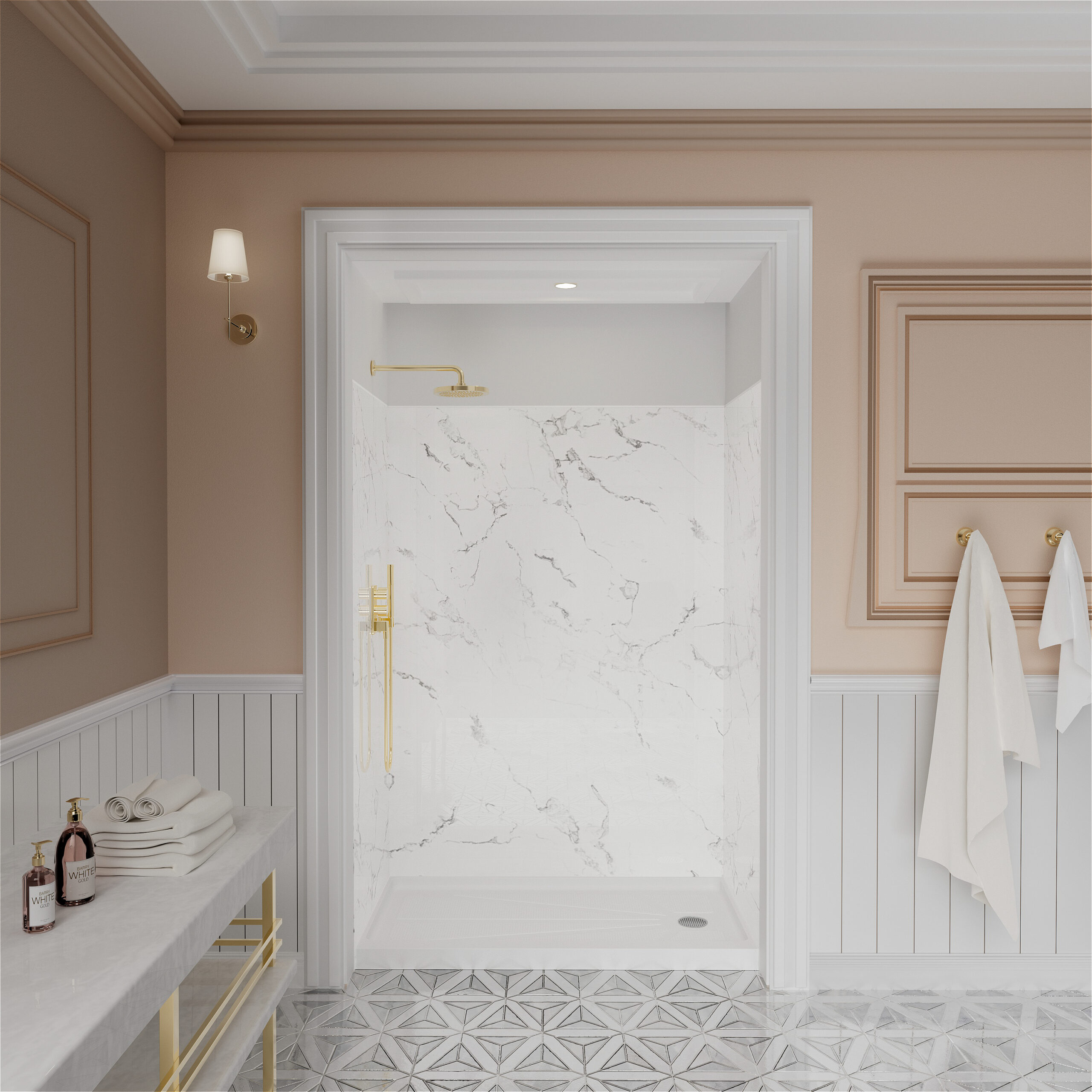
Types of Shower Wall Panels
Introduction
Shower wall panels have become a defining feature of modern bathroom interiors, offering an elegant, low-maintenance alternative to traditional tiles. As homeowners increasingly seek both style and practicality, these panels combine technology, design, and durability to elevate the bathing experience.
1. Bathroom Design Trends in 2025
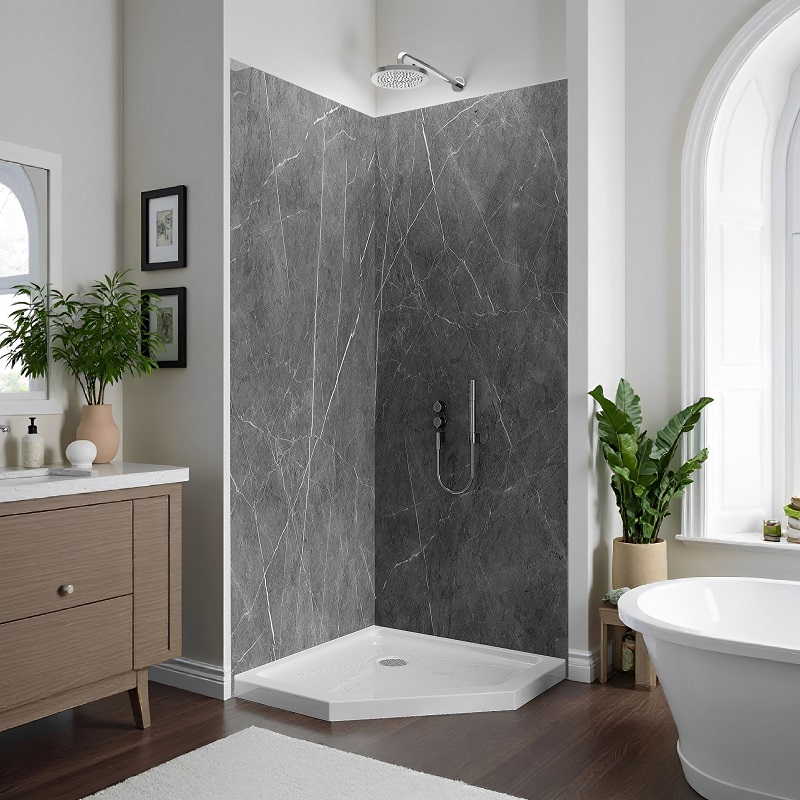
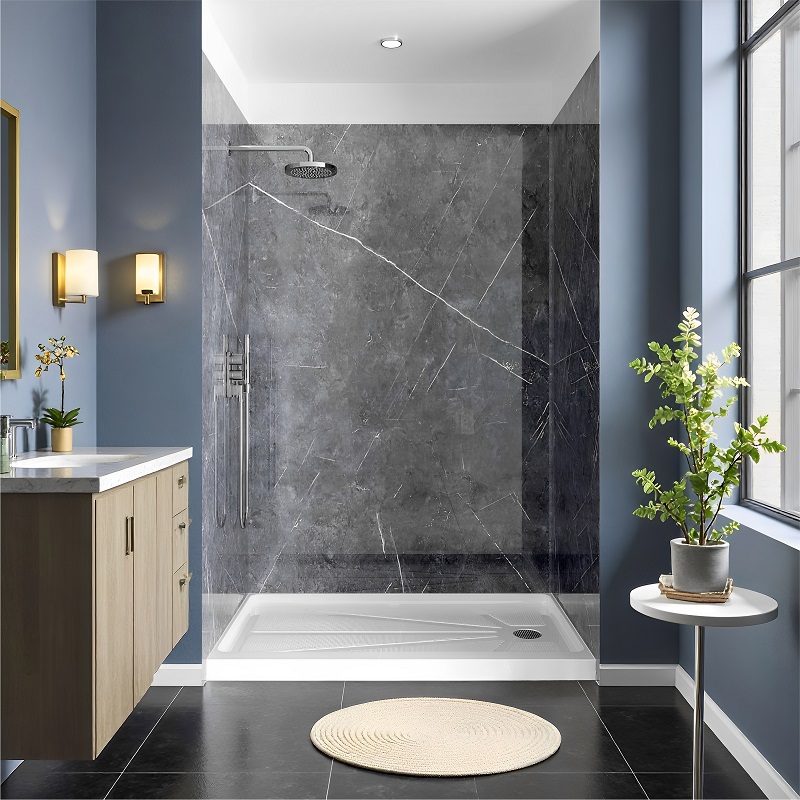
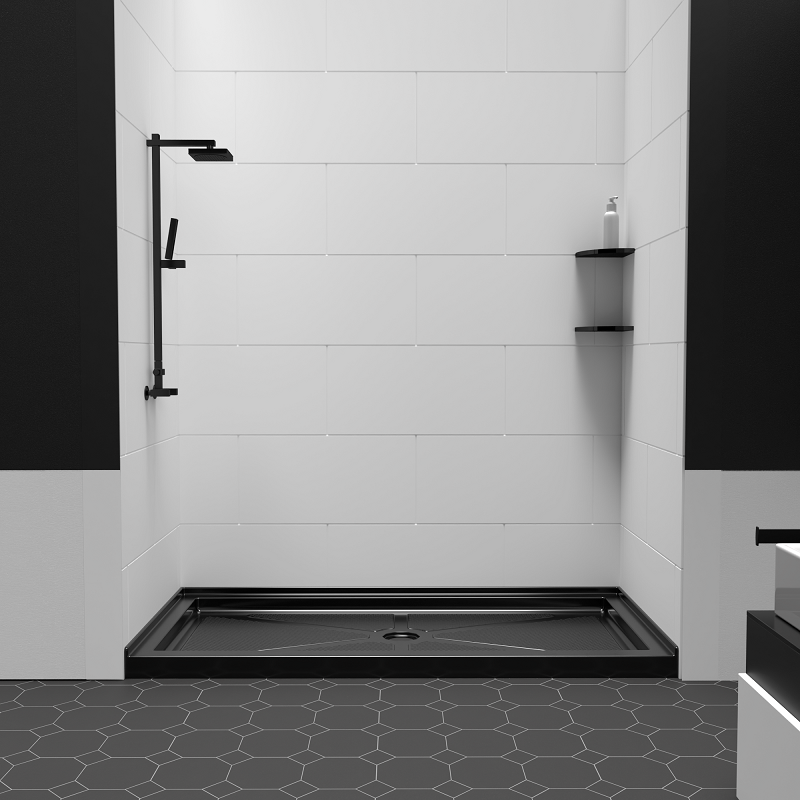
In 2025, bathroom design emphasizes minimalism, sustainability, and seamless aesthetics. The trend moves away from grout-heavy tile installations toward large, continuous surfaces that look clean and are easier to maintain. Acrylic and composite wall panels dominate the market because they can mimic the appearance of stone, marble, or glass, while being more affordable and lightweight. Additionally, homeowners favor waterproof systems that reduce mold risks and simplify daily cleaning.
2. Common Types of Shower Wall Panels
Several materials define the current landscape of shower wall panel design:
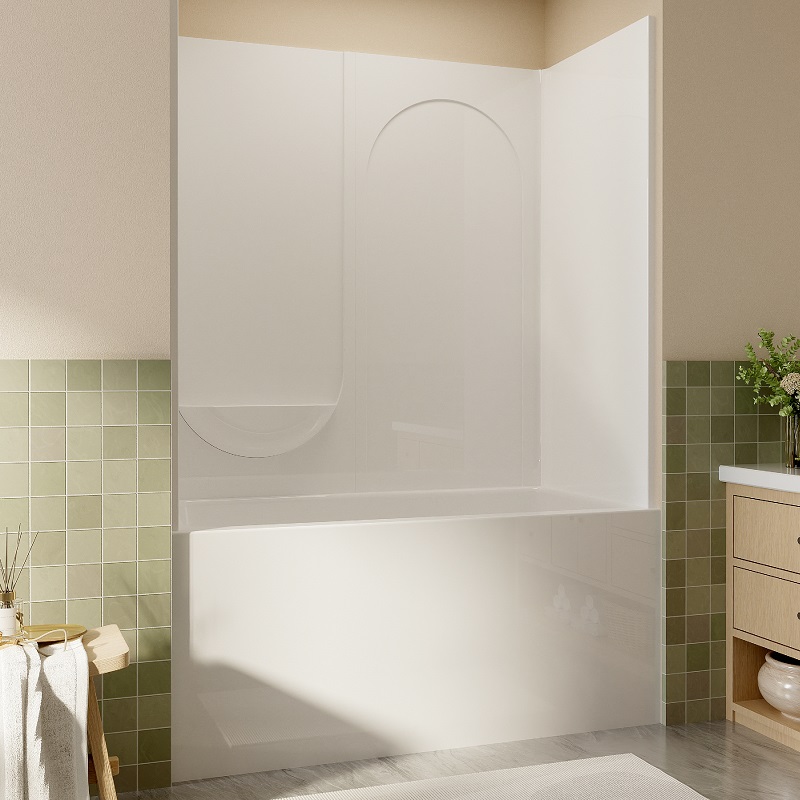
- Acrylic Panels: Lightweight, durable, and glossy, acrylic panels are easy to install and resistant to moisture and discoloration. They offer vibrant finishes that fit contemporary spaces.
- PVC Panels: Made from rigid plastic, these panels are budget-friendly and provide excellent waterproofing, though they may not match acrylic’s visual depth.
- Laminate Panels: Built with multiple layers of resin-impregnated paper, laminate wall panels replicate high-end materials such as marble or granite, providing a premium look at a lower cost.
- Solid Surface Panels: Non-porous and ultra-durable, these are preferred for luxury installations and custom projects.
3. Technical Insights and Material Advantages
From a technical perspective, shower wall panels offer superior performance compared to tiles. Their interlocking edges and seamless joints minimize water infiltration and maintenance issues. Acrylic panels, in particular, provide an ideal balance between strength and flexibility — preventing cracks due to temperature changes or structural movement.
Modern panels often include an integrated waterproof backing layer, allowing them to be installed directly over existing surfaces without additional waterproofing membranes. This reduces labor costs and shortens renovation time significantly. Additionally, their heat-retention properties enhance comfort, making acrylic a preferred option in both residential and commercial bathrooms.
Conclusion
Whether renovating a small bathroom or designing a high-end master suite, selecting the right type of shower wall panel can transform both aesthetics and performance. Acrylic, laminate, and solid surface panels each offer distinct advantages, but for most modern homeowners, acrylic remains the standout choice — delivering durability, gloss, and long-term value in one seamless solution.