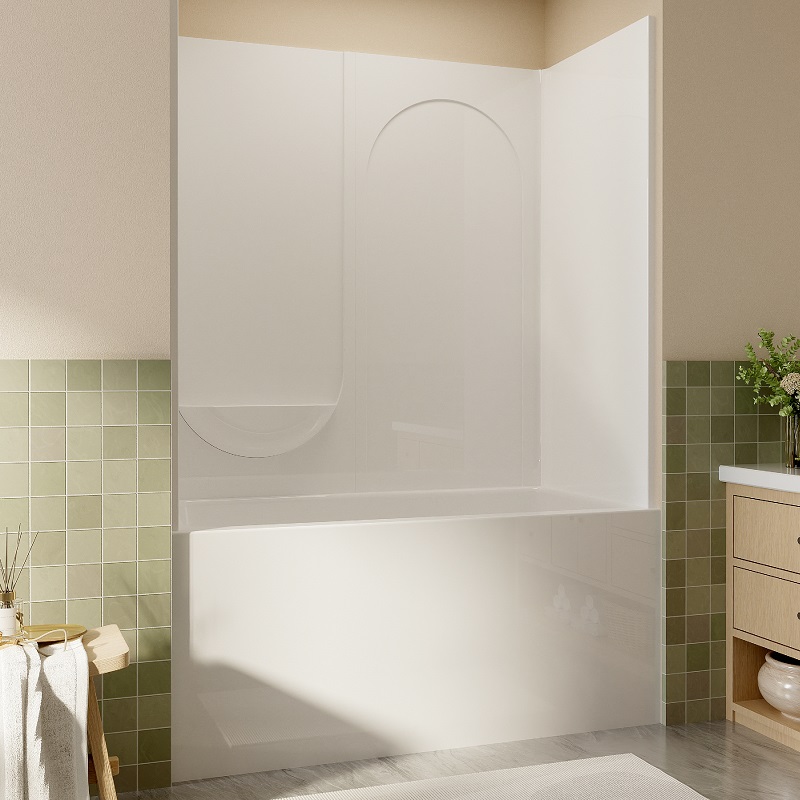
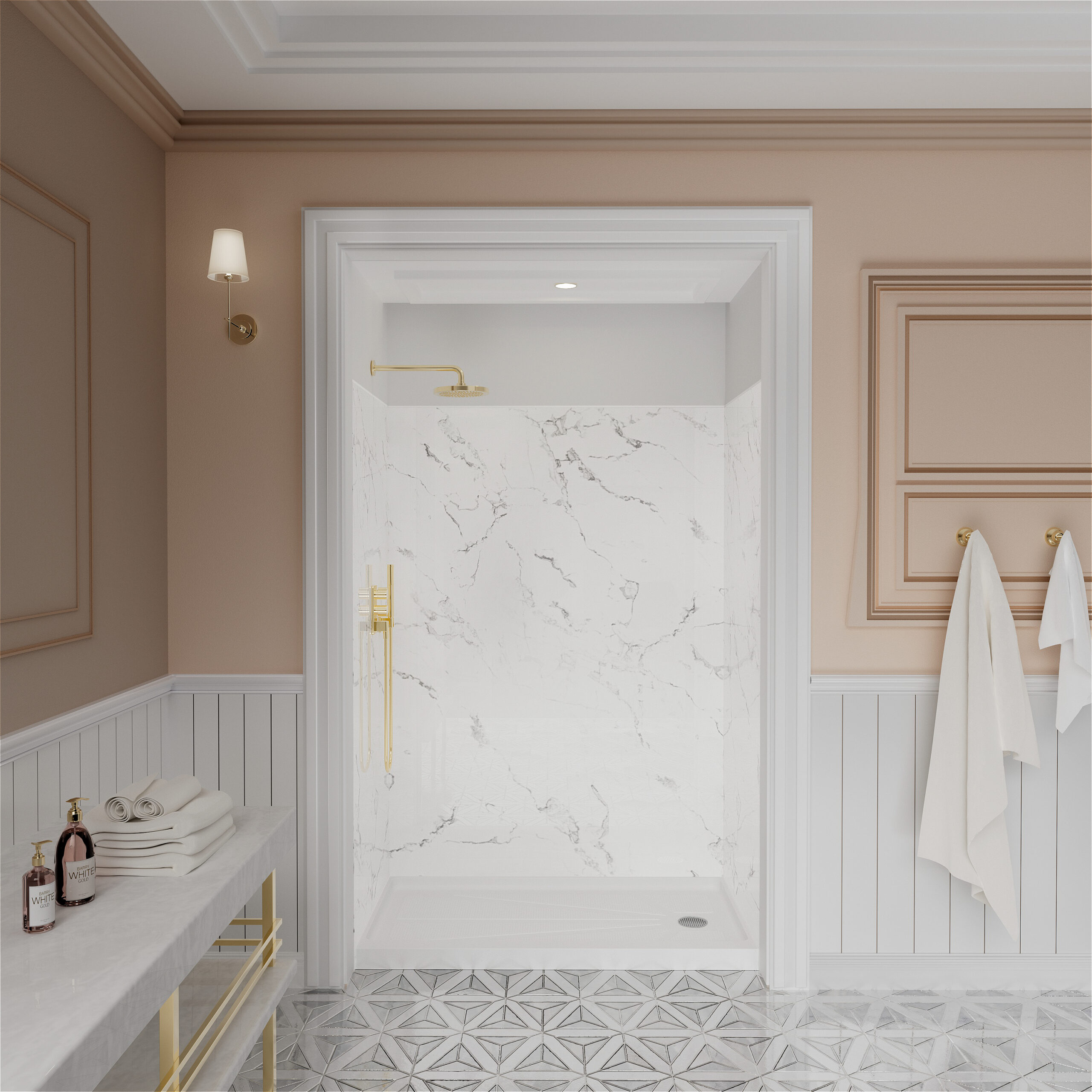
Bathroom Shower Wall Remodeling Guide: Why More Homeowners Choose Waterproof Wall Panels
If you’re remodeling your bathroom or replacing an aging shower wall, choosing the right material can make the difference between a stylish, low-maintenance upgrade and a renovation headache. As a remodeling specialist with 10 years of experience, I’ve helped many busy homeowners—especially those between 25 and 55—navigate the same questions you may have now: Which shower wall material is best? What lasts the longest? What’s easiest to install? And what offers a modern look without creating extra work?
Common Pain Points Homeowners Face
Before we get into your material choices, it helps to understand the frustrations that most remodelers encounter. Knowing these pain points will guide you toward a smarter decision.
- Mold and mildew buildup: Many shower walls—especially tile—have grout lines that trap moisture and require constant scrubbing.
- Maintenance fatigue: Regular re-sealing or grout cleaning becomes a burden for working adults with limited time.
- Long renovation time: Some materials, like tile, require multiple days of installation and drying time.
- Unexpected costs: Labor, substrate preparation, and waterproofing can quickly exceed the planned budget.
- Difficulty installing: Many homeowners want something DIY-friendly but durable.
Why Waterproof Wall Panels Are Becoming the Top Choice
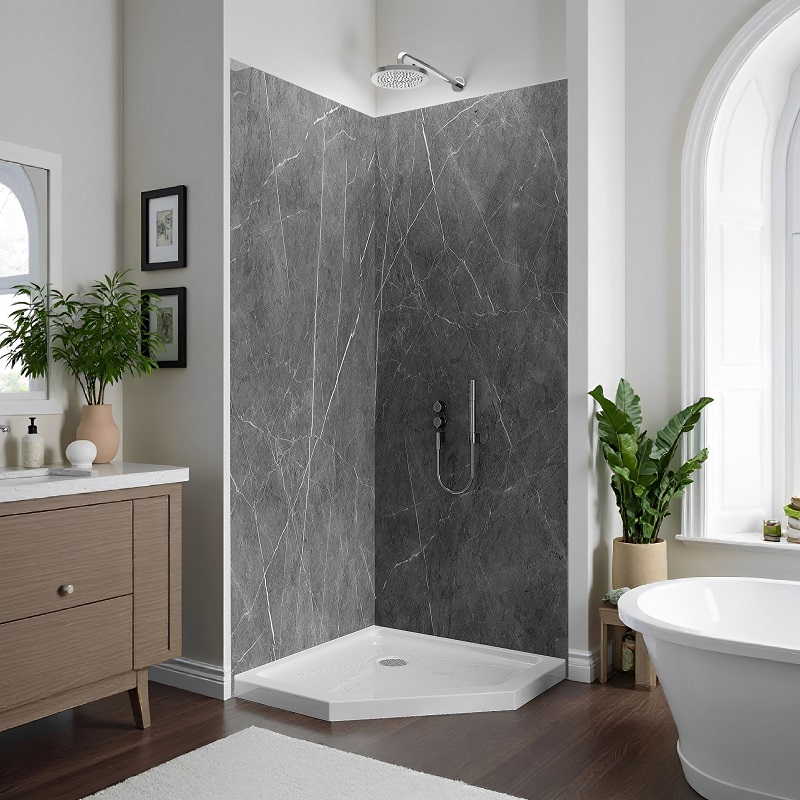
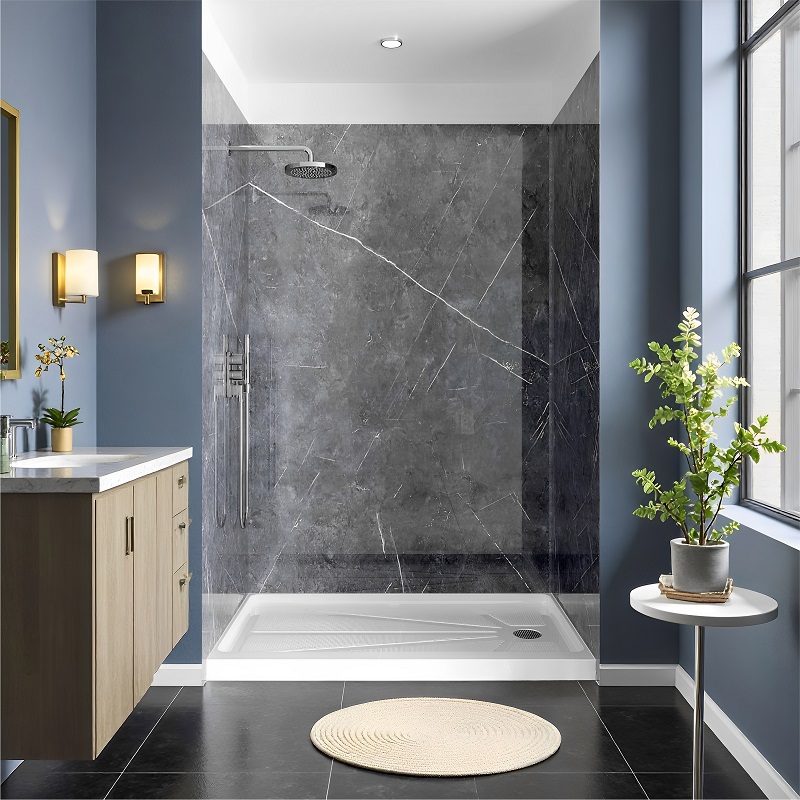
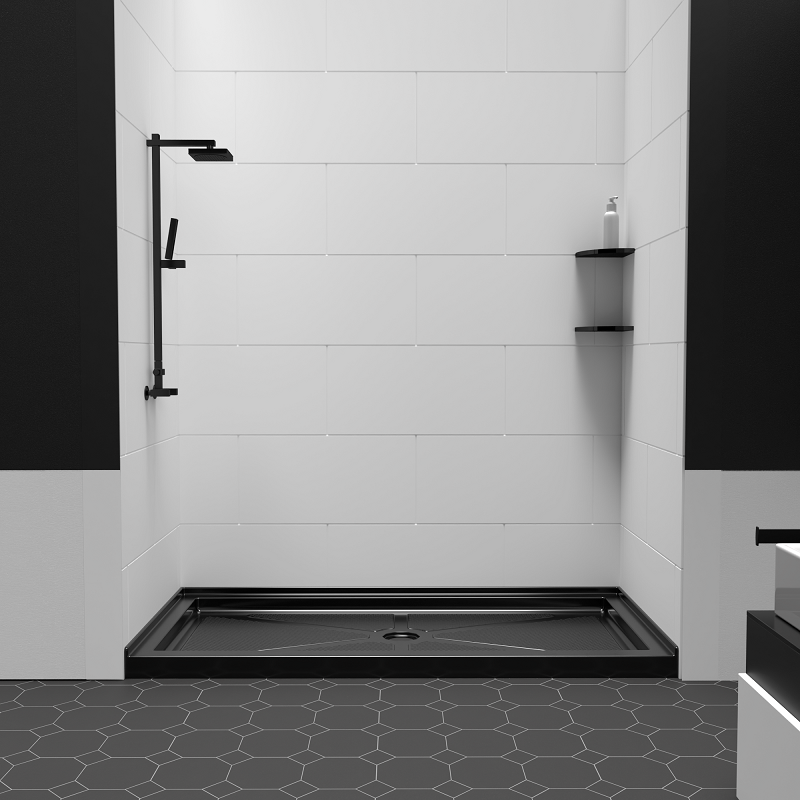
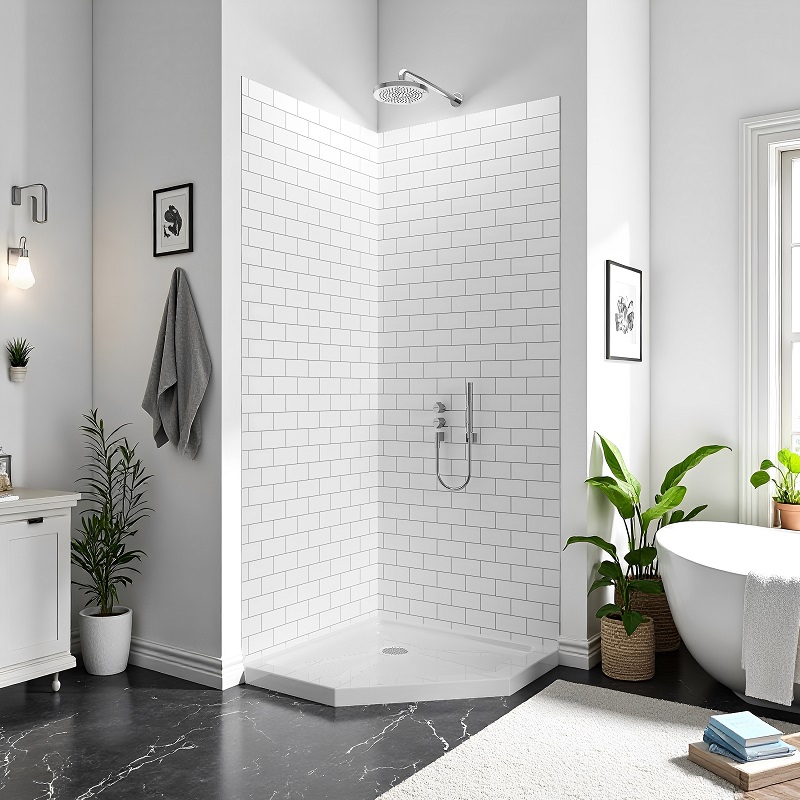
Waterproof Wall Panels have become increasingly popular in modern bathroom remodeling—and for good reason. They offer a clean, seamless look with minimal maintenance, making them ideal for today’s busy households. Without grout lines, the walls stay cleaner, resist mold, and require only occasional wiping. These panels mimic high-end finishes like marble, stone, and tile while being faster and easier to install than traditional materials.
Another major reason homeowners choose them is the installation speed. Waterproof Wall Panels typically install in a single day, reducing downtime and labor costs. For rentals, guest bathrooms, or quick renovations, this alone can be a game-changer.
Three Popular Shower Wall Options: Pros & Cons
1. Waterproof Wall Panels (Acrylic, PVC, Solid Surface)
These are the stars of modern bathroom remodels. If you want a contemporary look and minimal upkeep, this option is worth serious consideration.
Pros:
- Smooth, seam-free appearance prevents mold growth.
- Fast installation—often completed in 1–2 days.
- Low maintenance compared with tile.
- Many modern styles available (matte, marble-look, stone texture).
- DIY-friendly for smaller projects.
Cons:
- Cheaper panels can scratch if not handled carefully.
- Requires a flat wall surface for best results.
- Less customizable than tile for adjustments like niches.
2. Ceramic or Porcelain Tile
A timeless classic, tile remains a favorite for homeowners who want custom designs or high-end aesthetics.
Pros:
- Unlimited design customization—patterns, colors, shapes.
- Highly durable when installed correctly.
- Heat and moisture resistant.
Cons:
- Requires grout, which needs regular cleaning to prevent discoloration.
- Installation is time-intensive and costly.
- Requires a waterproof membrane underneath.
3. Fiberglass or One-Piece Shower Units
These are practical options for quick renovations or budget-conscious homes.
Pros:
- Most affordable option upfront.
- Fast and simple installation.
- Lightweight and easy to replace.
Cons:
- Limited design options compared with tile or panels.
- More prone to scratching or cracking over time.
- Difficult to repair without replacing the whole unit.
Installation Tips for First-Time Remodelers
Once you’ve chosen your material, good installation ensures your shower stays watertight and durable for years.
1. Prepare the Wall Surface
- Remove old tiles or panels.
- Repair any damaged drywall or studs.
- Ensure the surface is flat—this is essential for panels.
2. Use the Right Adhesive
Always follow the manufacturer’s recommendations. The wrong adhesive can cause panels to loosen or warp over time.
3. Seal All Edges Properly
Use 100% silicone sealant around corners, seams, and edges to prevent water leaks.
4. Plan for Fixtures and Cutouts
Measure twice before cutting openings for faucets, handles, and showerheads. A small mistake here can delay the whole project.
Final Thoughts
Whether you’re remodeling a master bathroom or updating an old guest shower, understanding the differences between tile, fiberglass, and Waterproof Wall Panels will help you make a confident decision. For most modern households, Waterproof Wall Panels strike the ideal balance of style, durability, and low maintenance—especially if you want a fast, clean installation without the hassle of grout.
Tile is still the right choice—but budget for higher labor and ongoing grout care.