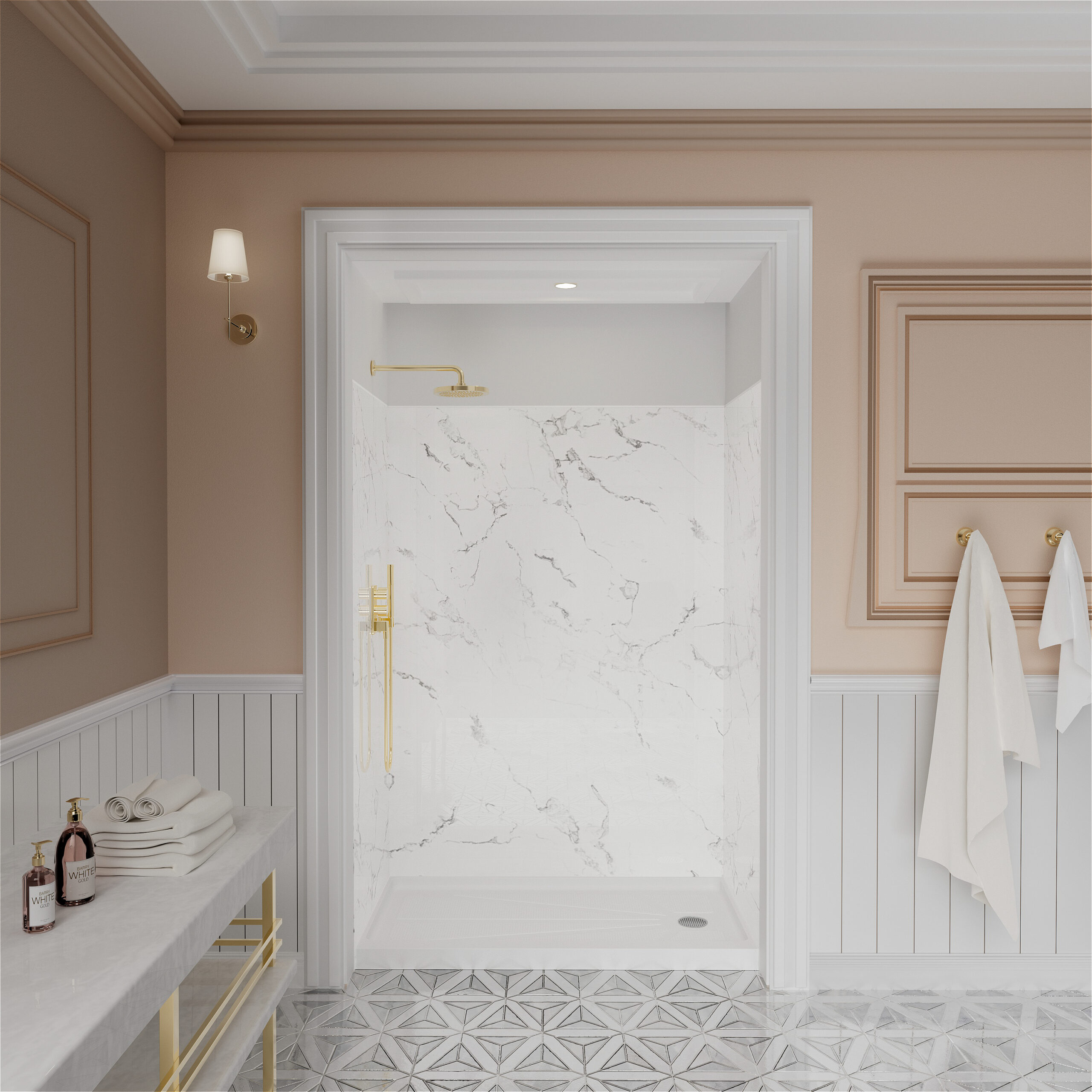
Shower Wall Panels for Bathtub: Why Acrylic Material Is the Smart Choice
When renovating a bathroom or installing a new bathtub, choosing the right shower wall panel material is crucial for durability, aesthetics, and ease of maintenance. Acrylic shower wall panels have become increasingly popular in modern bathroom design. This article explores the technical advantages of acrylic panels, their performance in wet environments, and why they are often preferred over traditional materials like tiles or fiberglass.
Table of Contents
- 1. Overview of Shower Wall Panels for Bathtubs
- 2. Material Comparison: Acrylic vs. Other Options
- 3. Technical Advantages of Acrylic Panels
- 4. Installation Benefits of Acrylic Panels
- 5. Maintenance and Longevity
- 6. Design Flexibility and Customization
- 7. Conclusion
1. Overview of Shower Wall Panels for Bathtubs
Shower wall panels for bathtubs serve as both protective and decorative surfaces. They prevent water from damaging the bathroom structure while enhancing the visual appeal of the space. Traditionally, ceramic tiles were used for this purpose, but they require grout lines and regular maintenance. Modern acrylic panels provide a seamless, waterproof solution that simplifies installation and upkeep.
2. Material Comparison: Acrylic vs. Other Options
Common materials for bathtub wall panels include ceramic tiles, fiberglass, PVC, and acrylic. Each has distinct characteristics:
- Ceramic Tiles: Durable but prone to grout discoloration and water infiltration.
- Fiberglass: Lightweight and inexpensive but less rigid and more susceptible to cracking.
- PVC Panels: Affordable and water-resistant but generally lower-end in appearance and long-term durability.
- Acrylic Panels: Lightweight, strong, and non-porous, combining the benefits of durability, water resistance, and ease of maintenance.
From a technical perspective, acrylic panels provide the optimal balance of strength, flexibility, and moisture protection, making them ideal for bathtub surrounds.
3. Technical Advantages of Acrylic Panels
Acrylic panels offer several technical benefits that make them superior in wet environments:
- Waterproof and Non-Porous: Acrylic is completely non-porous, preventing water absorption and reducing mold or mildew growth.
- High Impact Resistance: Acrylic sheets can withstand daily impact, reducing the risk of cracks or chips.
- Thermal Stability: Acrylic panels resist heat and humidity, maintaining shape and integrity even in long, hot showers.
- Lightweight and Rigid: Acrylic provides a rigid wall surface without adding excessive weight, making it suitable for retrofit installations.
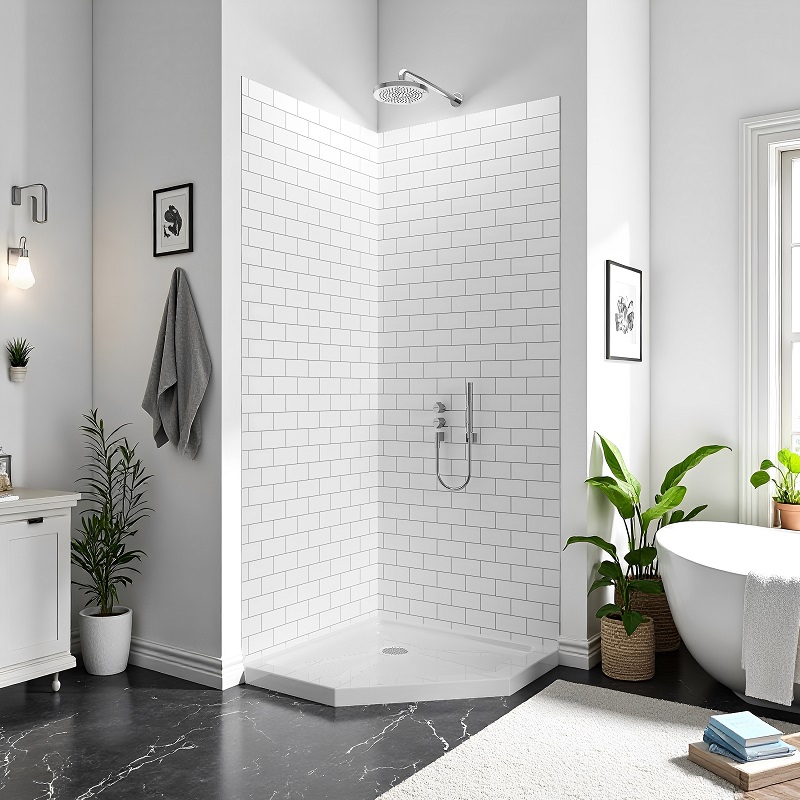
- Seamless Appearance: Acrylic panels can be fabricated in large sheets, eliminating grout lines and potential water leakage points.
4. Installation Benefits of Acrylic Panels
Installing acrylic shower wall panels is simpler than tiling, requiring fewer tools and less labor. Key installation benefits include:
- Quick Fit: Large, pre-cut panels can cover extensive areas with minimal seams.
- Adhesive Bonding: Panels are typically bonded with waterproof adhesives, reducing the need for mechanical fasteners.
- Customizable Cuts: Acrylic panels can be cut on-site to fit around bathtubs, faucets, and corners with precision.
- Reduced Construction Time: Fewer joints and easier handling significantly shorten installation timelines.
5. Maintenance and Longevity
One of the biggest advantages of acrylic panels is their low-maintenance nature. Unlike tiles, they do not require grout sealing or frequent scrubbing. For everyday cleaning, a mild detergent or non-abrasive cleaner is sufficient. Technically, acrylic panels are resistant to staining, fading, and warping, offering a long-lasting solution that maintains its glossy appearance over years of use.
6. Design Flexibility and Customization
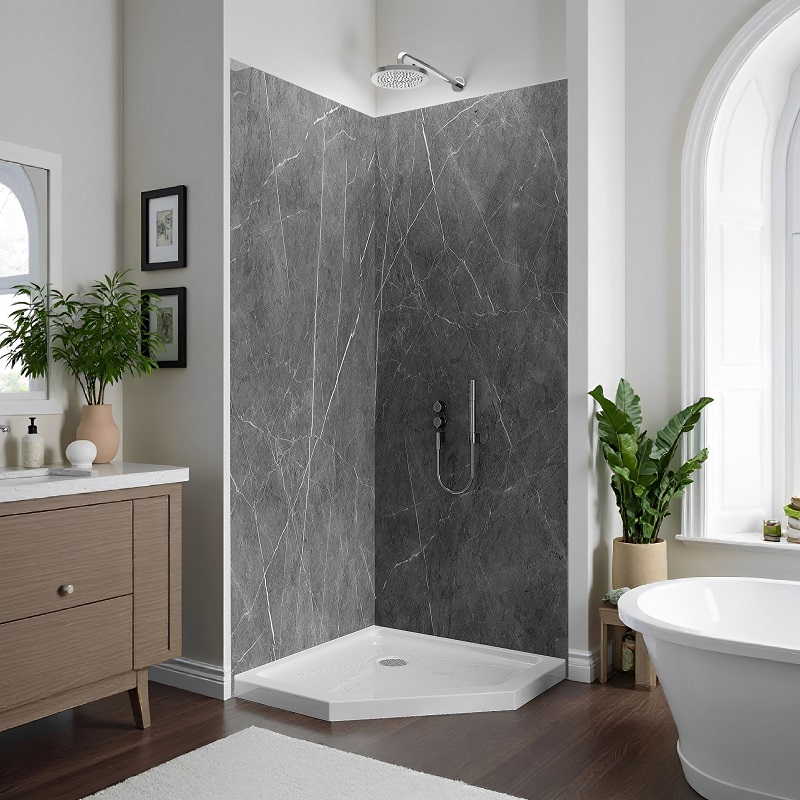
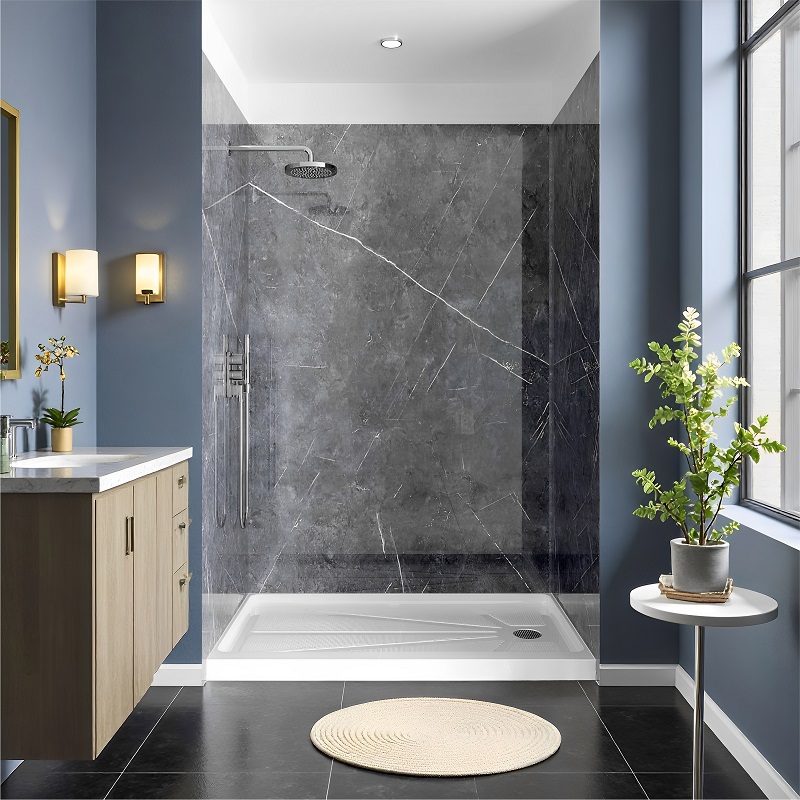
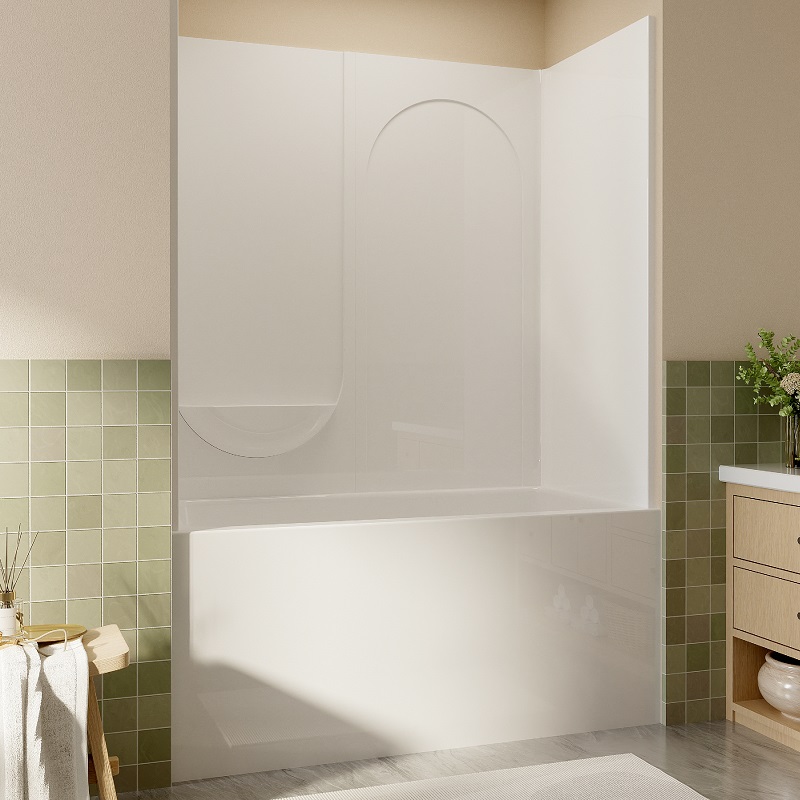
Acrylic panels can be molded into a variety of shapes and finishes. They can mimic natural stone or marble while remaining lightweight and durable. This allows homeowners to achieve a high-end look without the complexity of traditional tile installation. The panels also support integrated shelves and niches, combining functional storage with sleek design.
7. Conclusion
For bathtub shower walls, acrylic panels represent a technically superior choice. Their non-porous, waterproof nature, high impact resistance, and ease of installation make them ideal for modern bathrooms. Combined with minimal maintenance requirements and versatile design options, acrylic shower wall panels provide a long-lasting, aesthetically pleasing, and practical solution for homeowners seeking both quality and convenience.