Waterproof Shower Wall Panels vs Tiles: Which is Better?
When it comes to designing or renovating your bathroom, choosing the right wall covering is essential. Two popular options are waterproof shower wall panels and traditional tiles. Both have their merits, but which one suits your needs best? In this article, we’ll break down the differences, advantages, and considerations to help you make an informed choice.
Table of Contents
- Durability and Longevity
- Maintenance and Cleaning
- Installation Process
- Cost Comparison
- Design and Aesthetics
- Final Thoughts
Durability and Longevity
Tiles have been the traditional choice for bathrooms for decades. They are hard, water-resistant, and can last for many years if properly installed. However, the grout between tiles is prone to mold and discoloration over time, which can compromise durability.
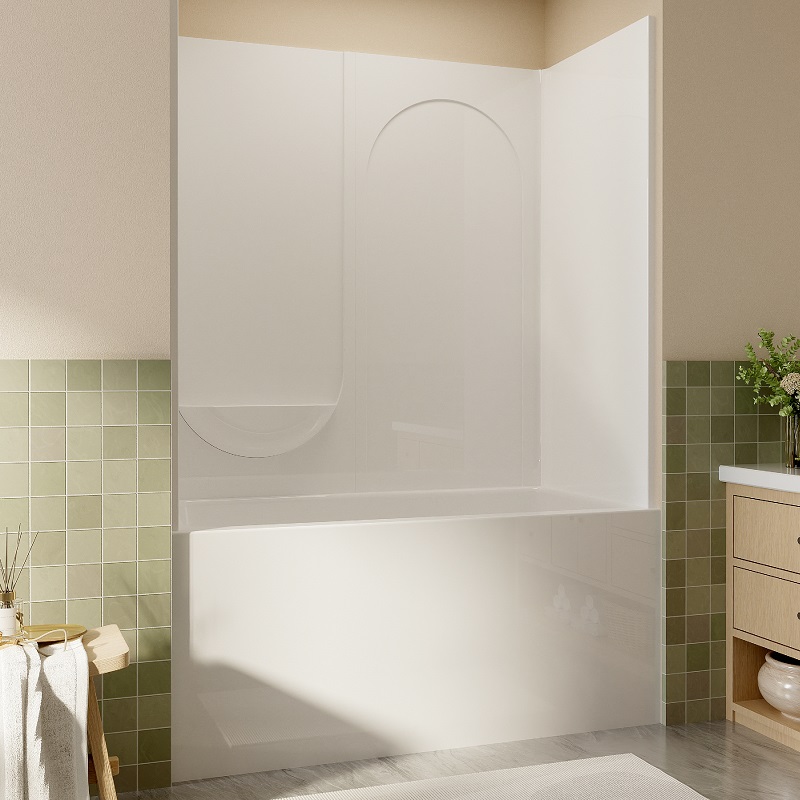
Waterproof shower wall panels, usually made of acrylic, PVC, or composite materials, provide a seamless surface that completely prevents water infiltration. They are less prone to cracking or discoloration and typically offer a longer lifespan in high-moisture environments compared to tiled walls.
Maintenance and Cleaning
One of the biggest advantages of shower panels is low maintenance. Their smooth, continuous surface makes cleaning quick and easy. A simple wipe with a mild cleanser is often enough to keep them looking new.
In contrast, tiles require regular scrubbing, especially grout lines, to prevent mold and mildew. Over time, grout may need to be resealed or replaced, adding extra maintenance costs.
Installation Process
Tiles require meticulous installation. Each tile must be precisely placed and grouted, which can be time-consuming and may require professional help. Mistakes in installation can lead to uneven surfaces or water leakage.
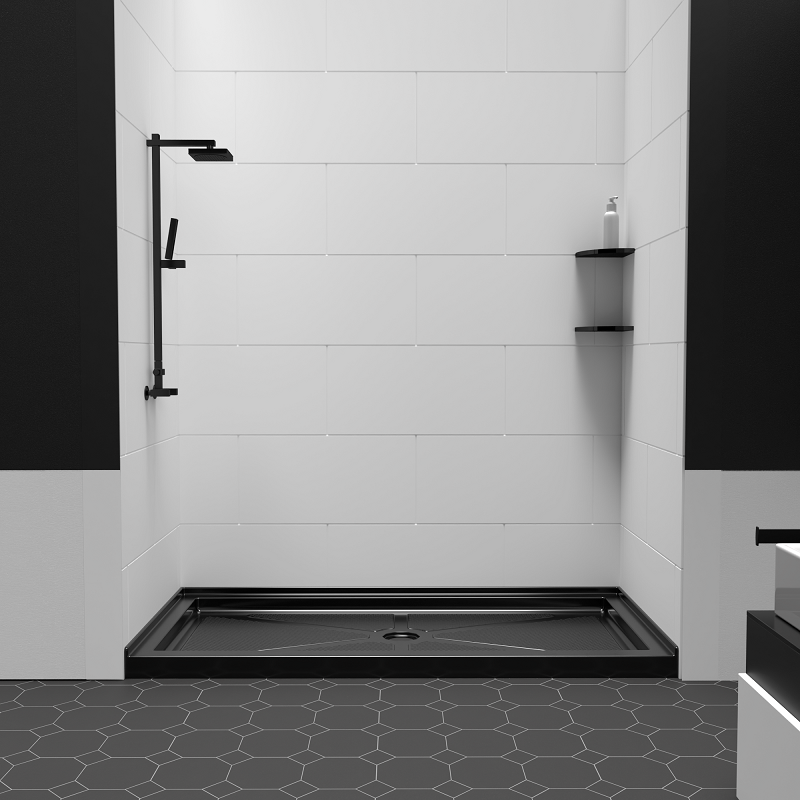
Waterproof shower wall panels, however, are often designed for DIY-friendly installation. They can be cut to size and adhered directly to the wall, with minimal seams and no grout lines. This not only reduces installation time but also lowers labor costs.
Cost Comparison
Tiles vary widely in price, from budget-friendly ceramic options to expensive natural stone. Additionally, labor costs can significantly increase the total expense.
Shower wall panels generally have a more predictable cost. While high-end acrylic or composite panels can be pricey, the overall cost is often lower due to easier and faster installation. Long-term maintenance savings also make panels an economical choice.
Design and Aesthetics
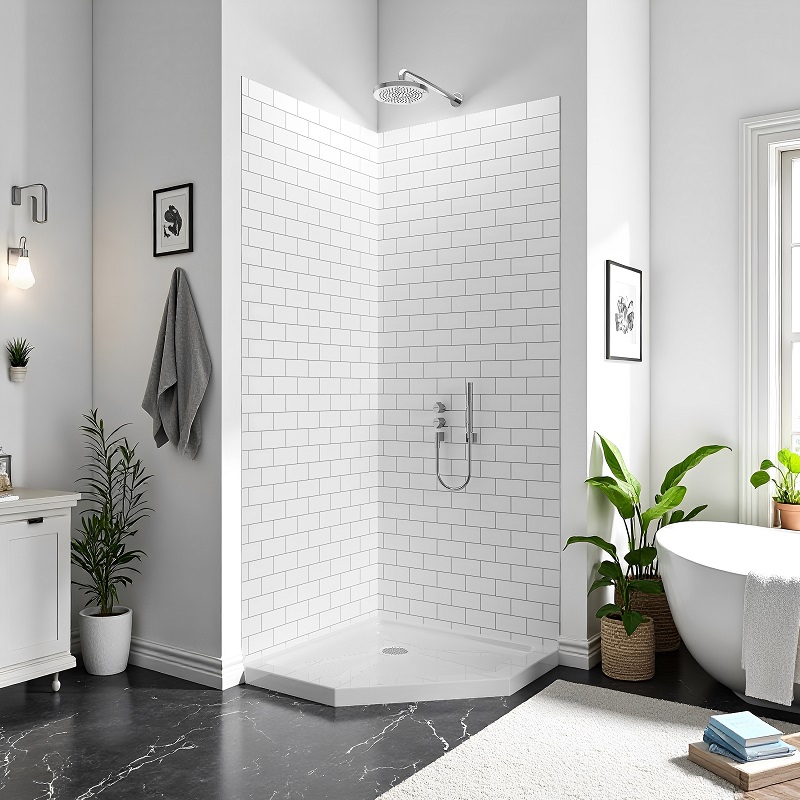
Tiles offer endless design possibilities with various colors, patterns, and textures. They are ideal for those seeking a classic or luxurious bathroom look.
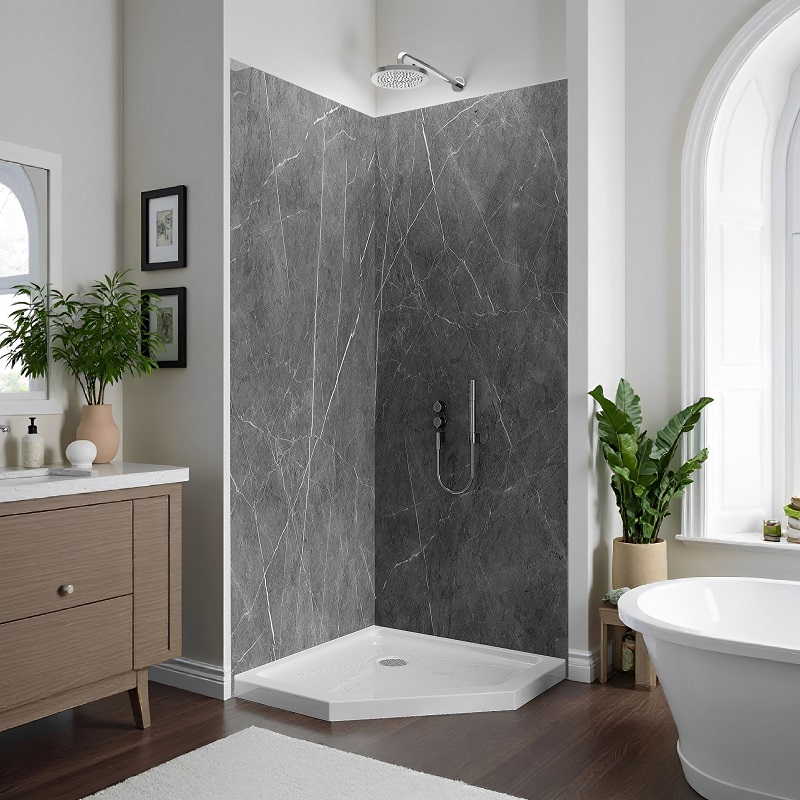
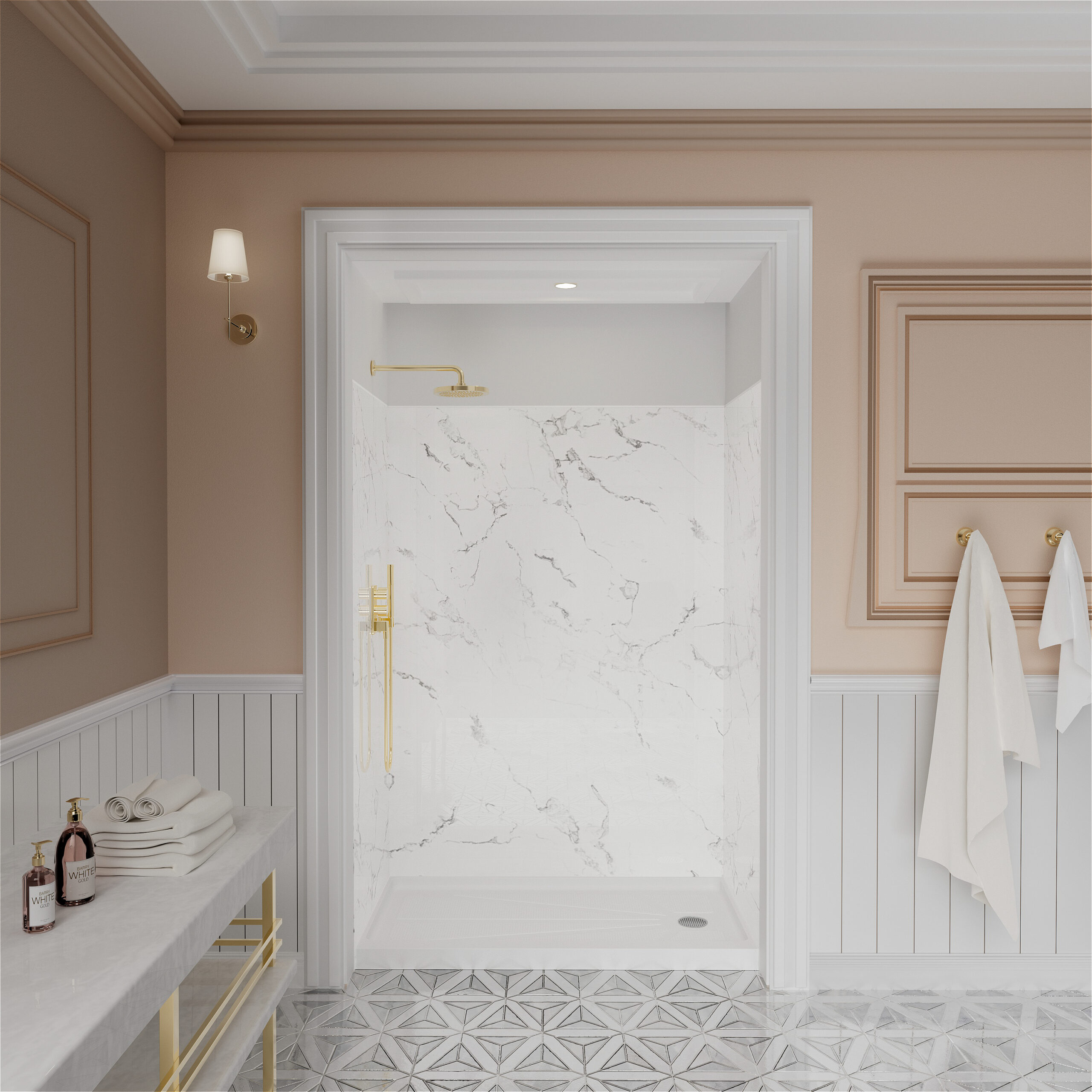
Waterproof panels have also evolved in aesthetics. Modern panels can mimic marble, stone, or wood finishes and come in large seamless sheets, giving a sleek, contemporary appearance. They are especially suited for modern, minimalist bathroom designs.
Final Thoughts
Both waterproof shower wall panels and tiles have unique benefits. Tiles are timeless and highly customizable, while waterproof panels offer superior ease of maintenance, durability, and simpler installation. If your priority is a low-maintenance, modern bathroom with long-lasting performance, waterproof shower wall panels are an excellent choice. However, for a traditional look with endless decorative options, tiles remain a strong contender.
Ultimately, the decision comes down to your bathroom’s design goals, budget, and how much effort you are willing to spend on upkeep.